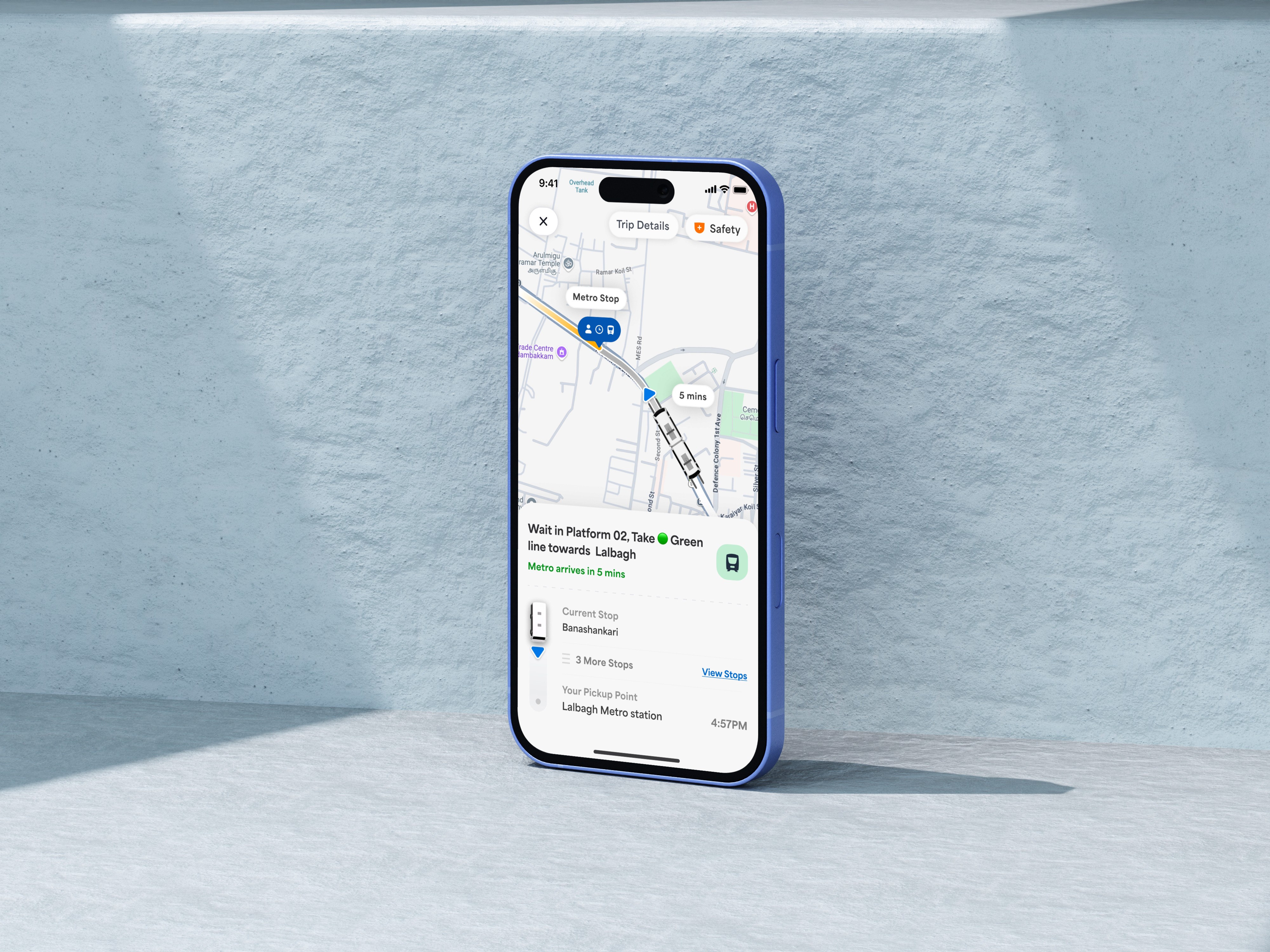
Designing the Namma Yatri
Driver Experience
Helping drivers understand trips faster, earn better, and feel supported on every ride.
300K+ Drivers
90+ Women Drivers
Live App
Team
Responsibilities
Duration
Overview
Ride-hailing platforms often prioritise platform margins over driver earnings, creating friction, high commissions, and limited transparency for drivers. Namma Yatri was built to change that.
As a team of 3 product designers, our goal was to improve and scale the driver app experience across multiple cities while supporting hundreds of thousands of drivers on the platform.
How did we solve
Our goal was to land on a clear vision within the
given timeline.
Driver Experience Strategy
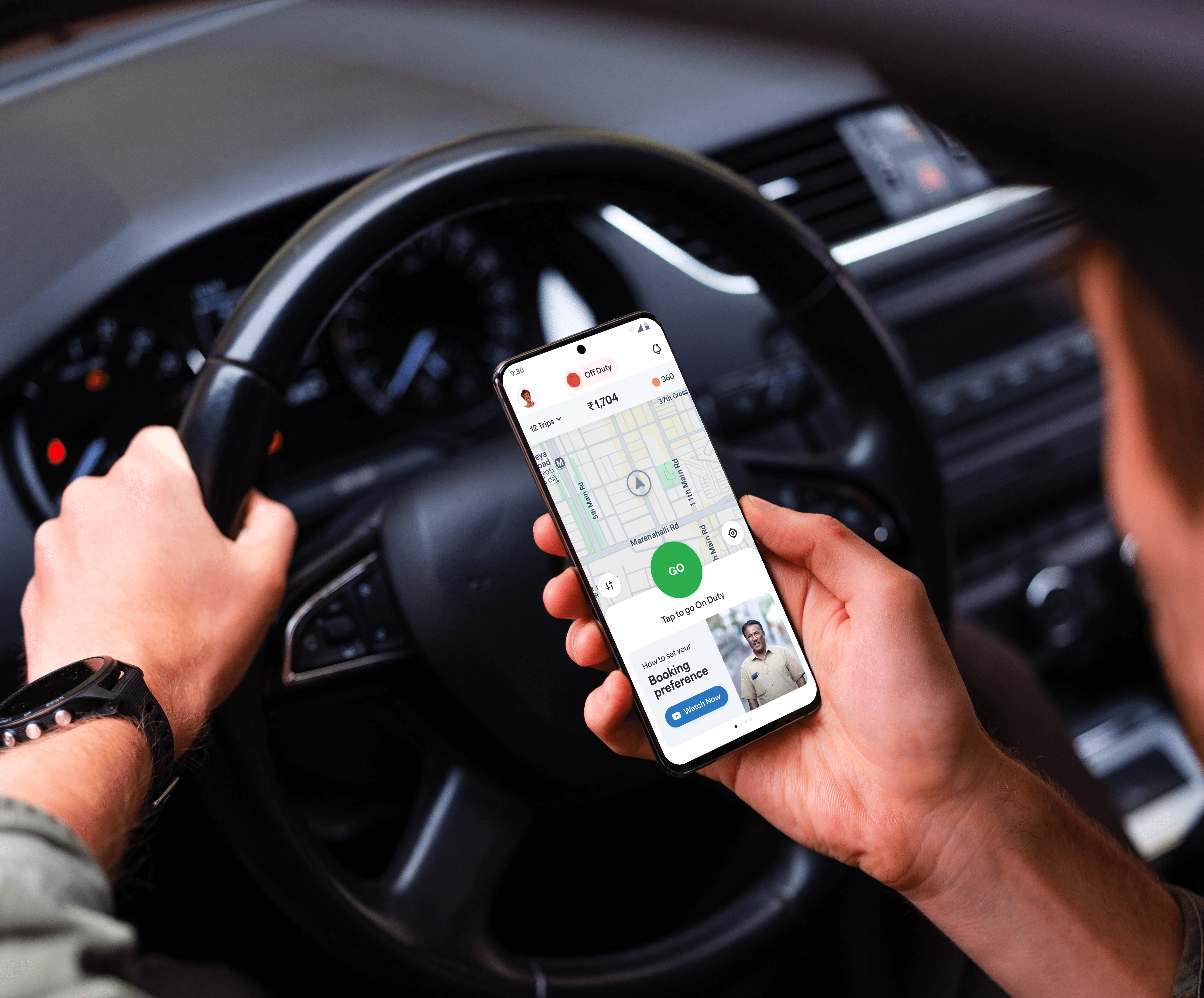
Designed for speed, clarity, and low distraction — simplifying ride acceptance, navigation, and earnings tracking for real-world driving conditions.
Prototyping & Testing
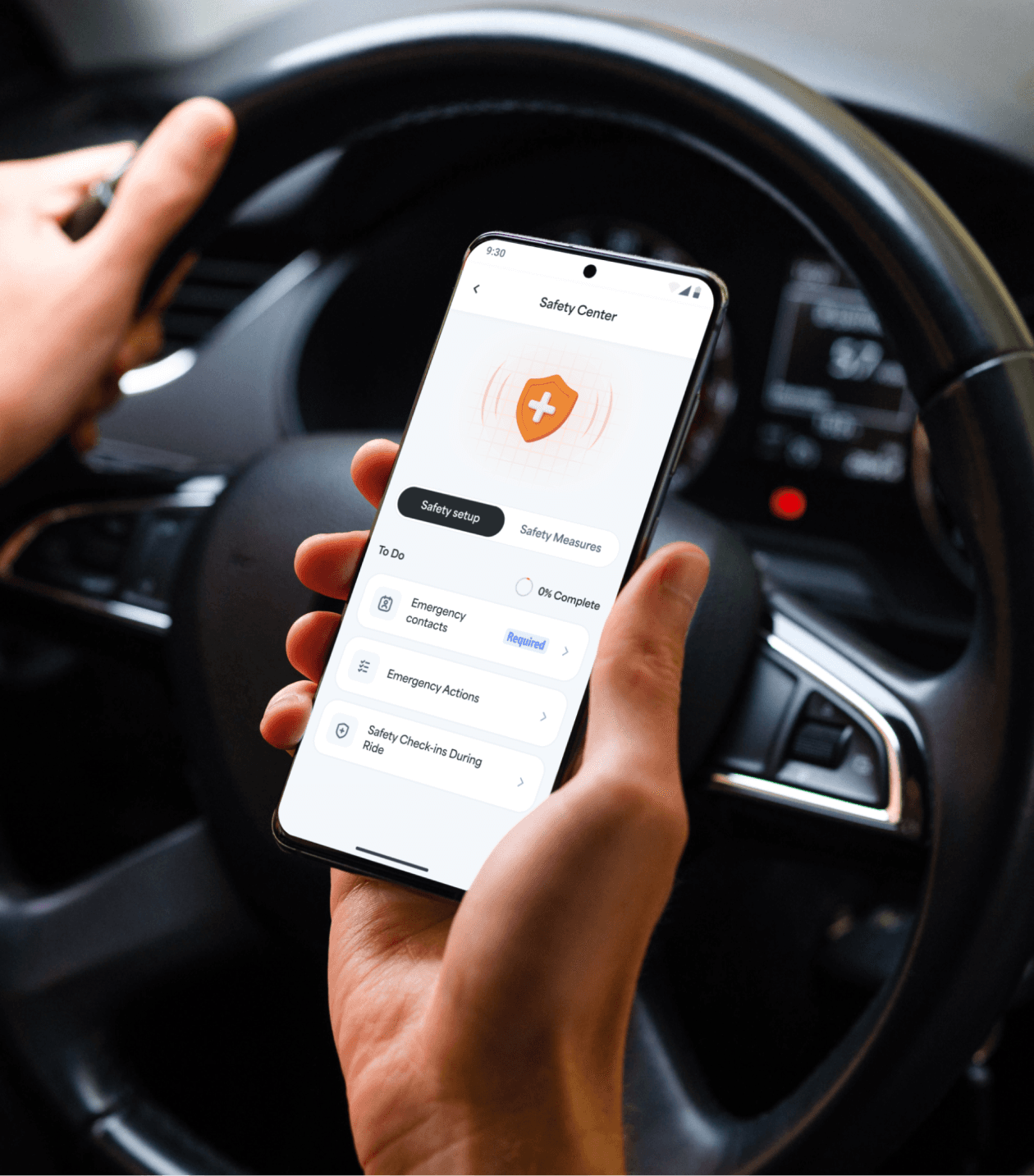
Validated flows with real drivers, optimising alerts, safety, and trip interactions for fast decision making.
Iterating at Scale
Improved earnings visibility, safety, and trip reliability through continuous feedback.
Solution
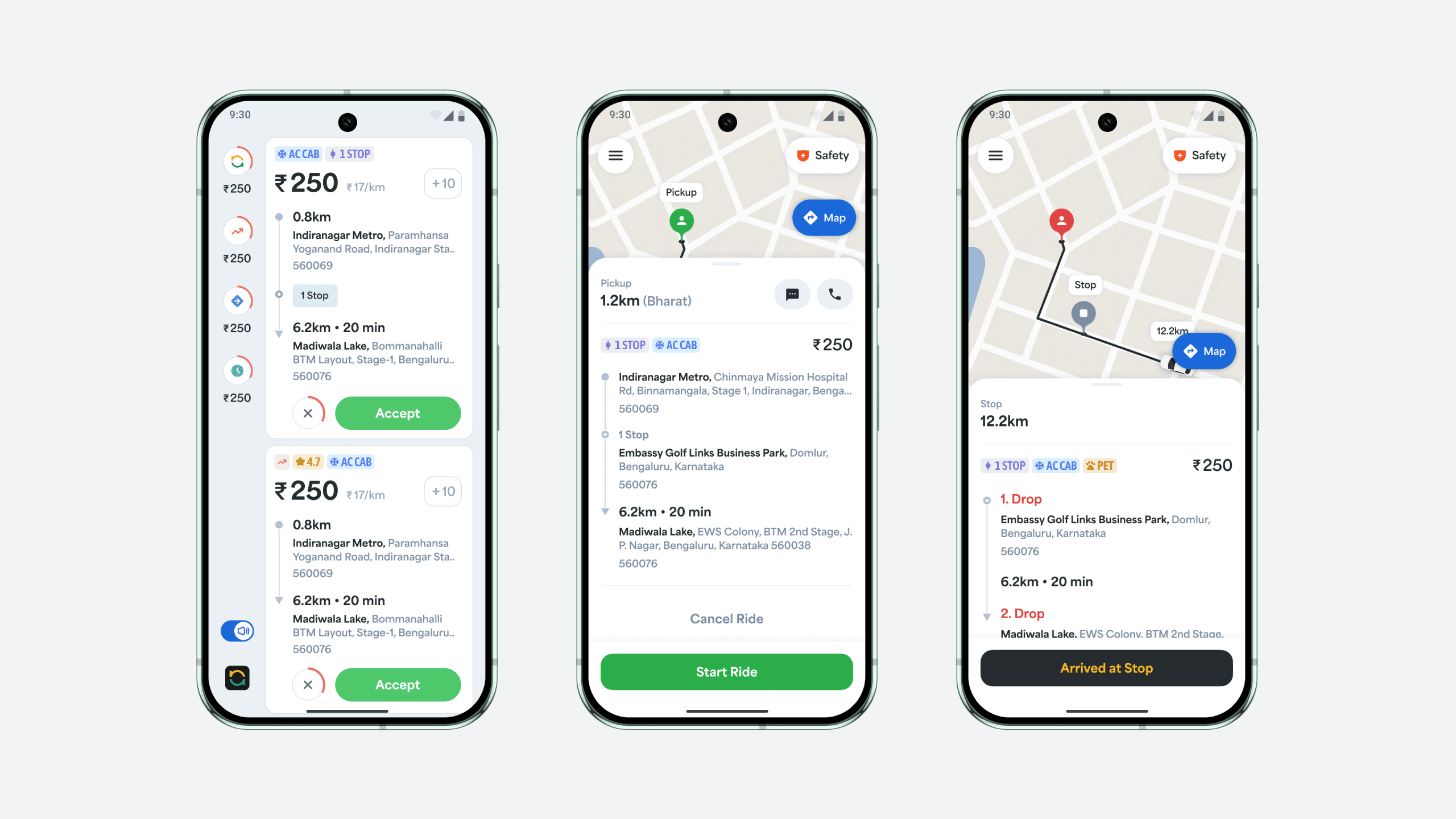
Namma Yatri Driver App: Empowering drivers through clearer earnings, incentives, and better trip access
Streamlined going online, ride alerts, and trip flows so drivers can make quick decisions with minimal distraction.
Educational nudges for better decisions
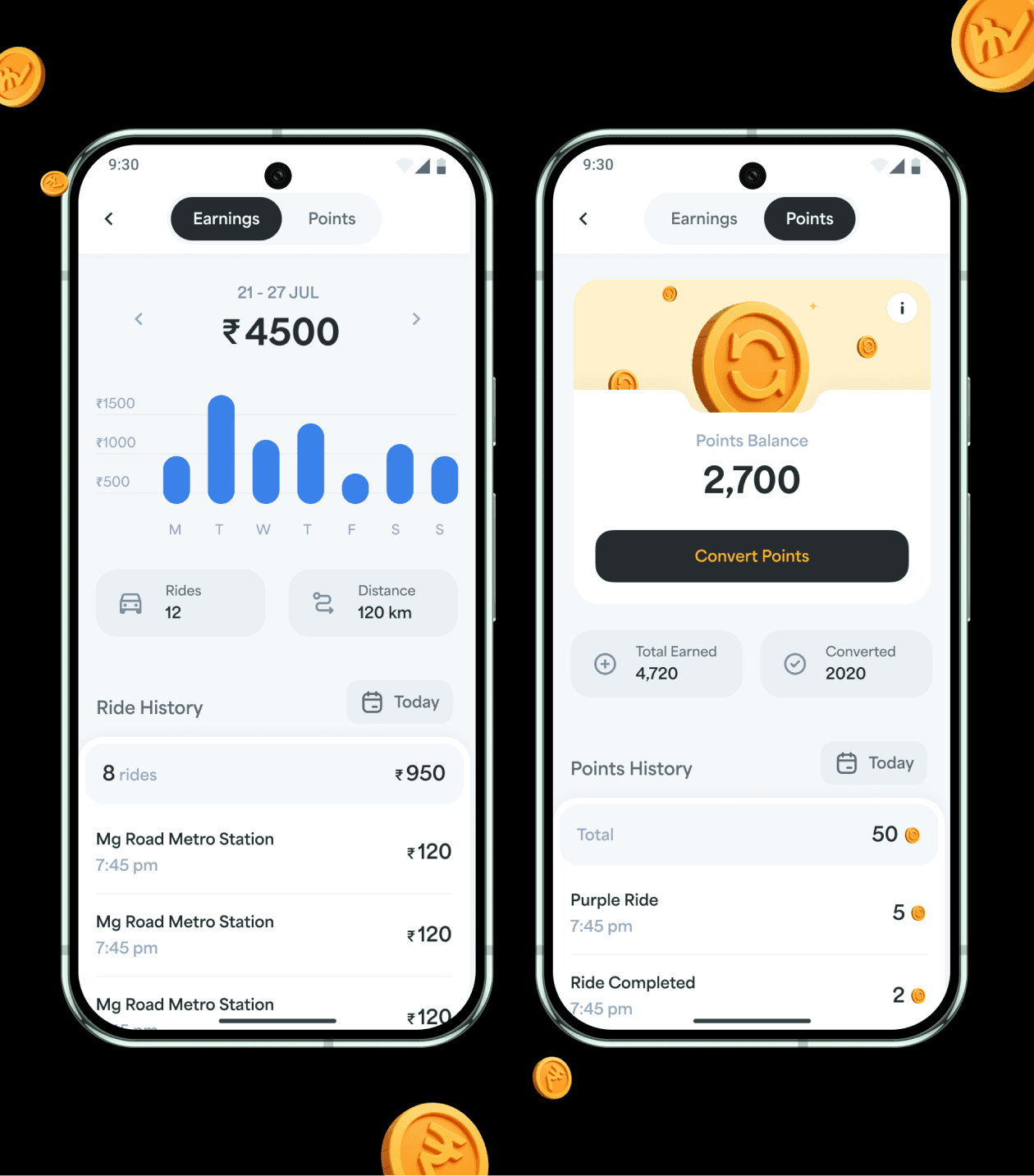
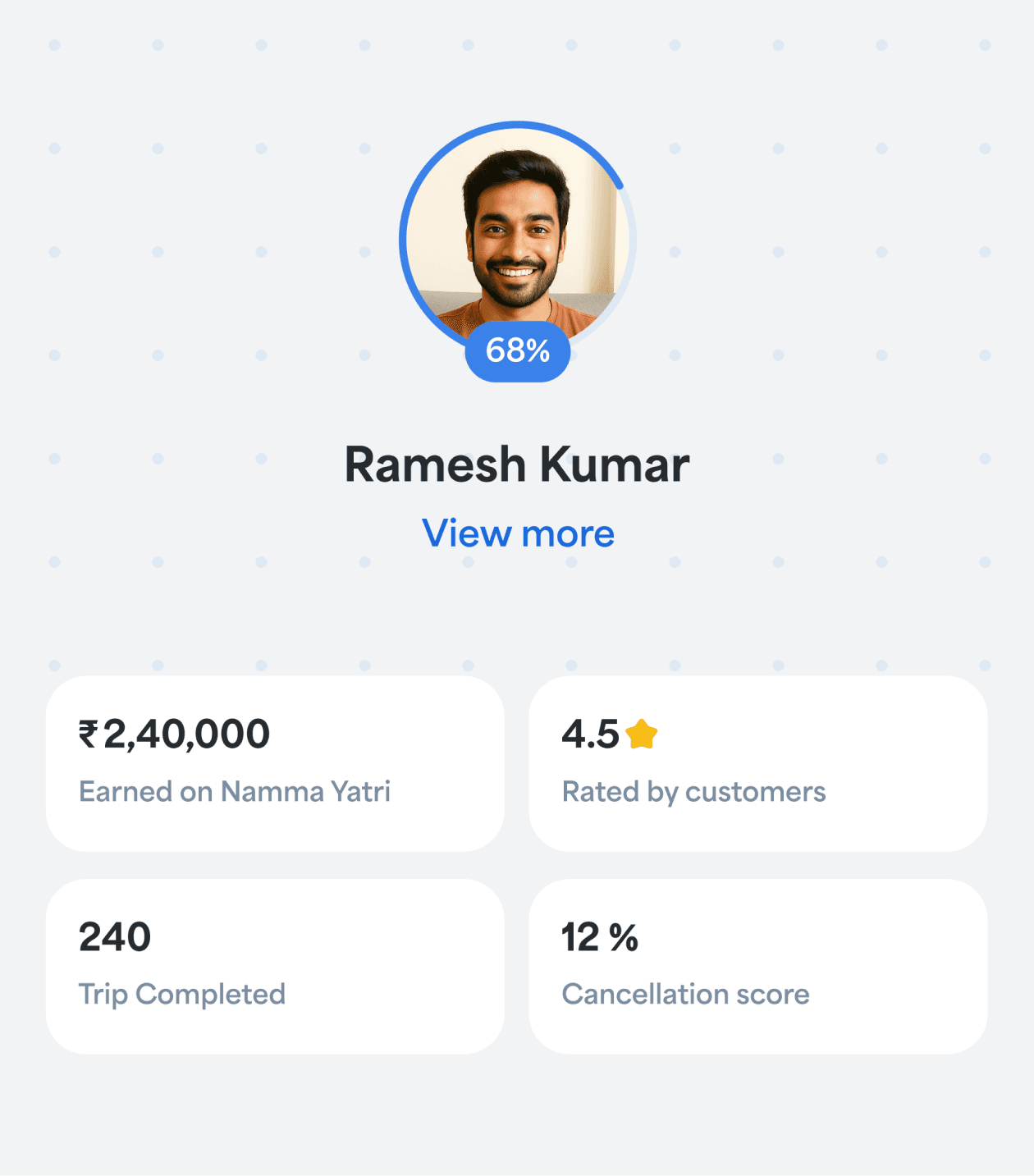
Coins, benefits, and subscription details highlighted to encourage consistent engagement.
Better special zone pickups like airports and malls
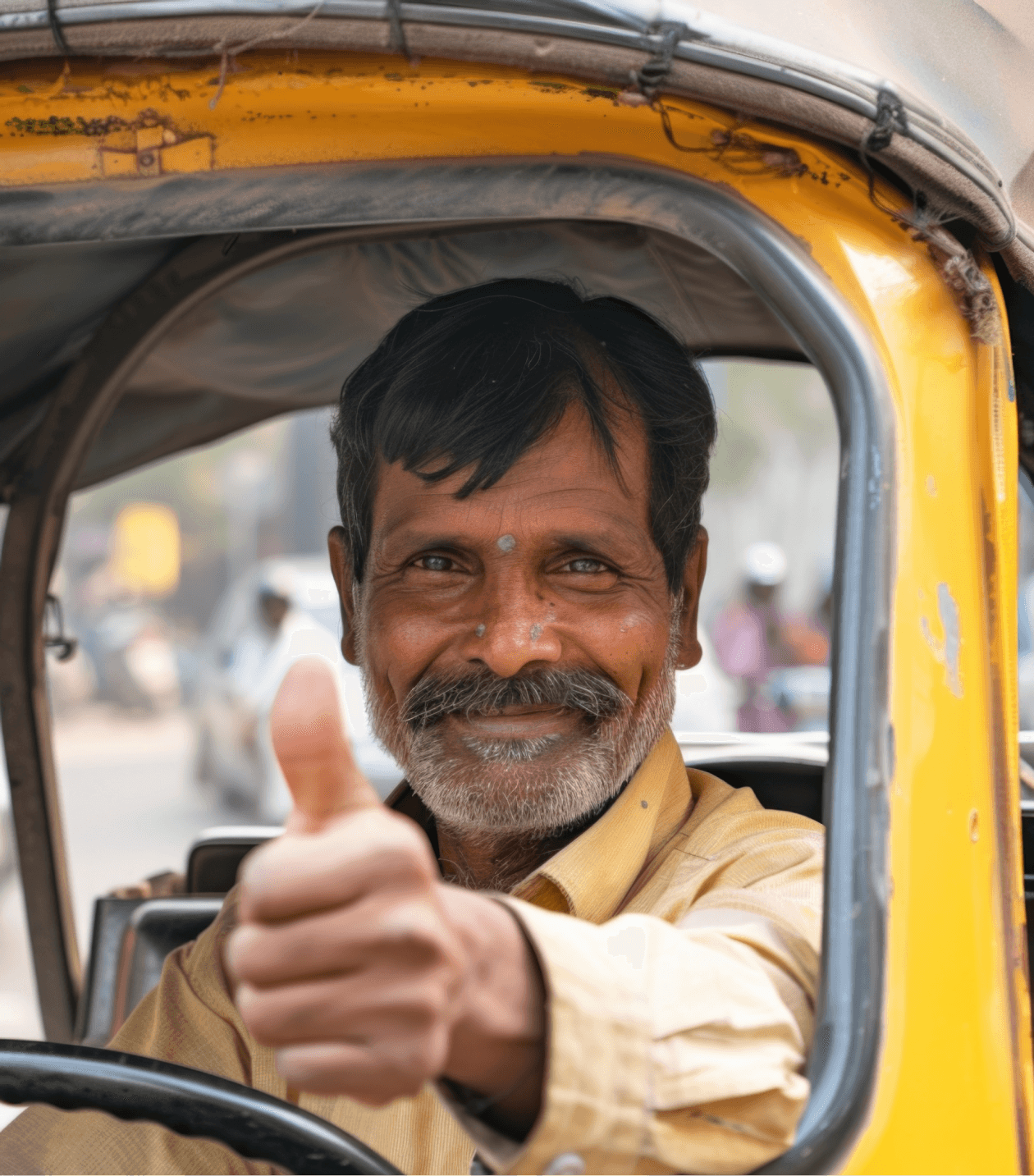
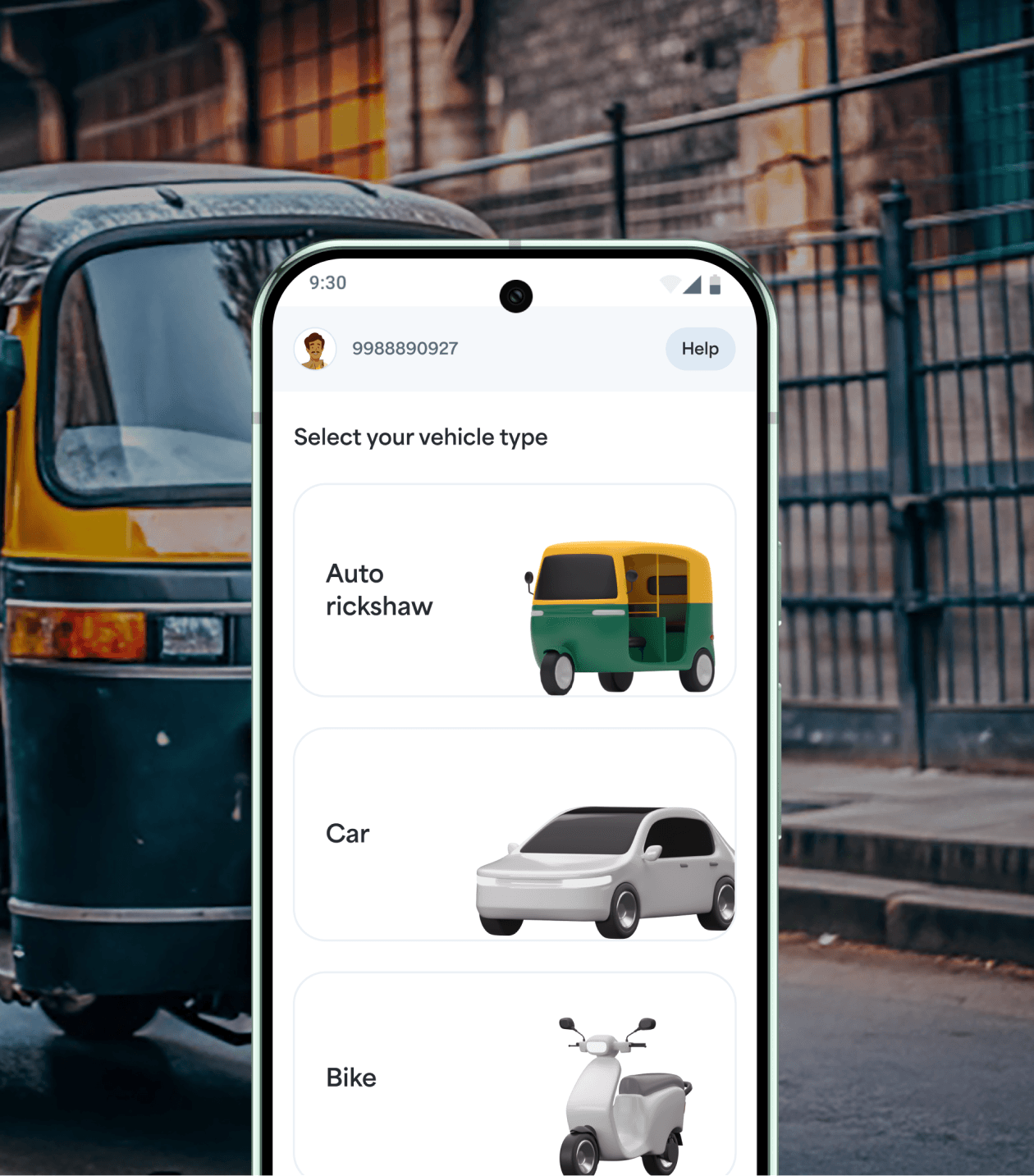
Drivers lacked clarity and guidance in navigating different ride types and new features which impacted earnings and ride acceptance rate.
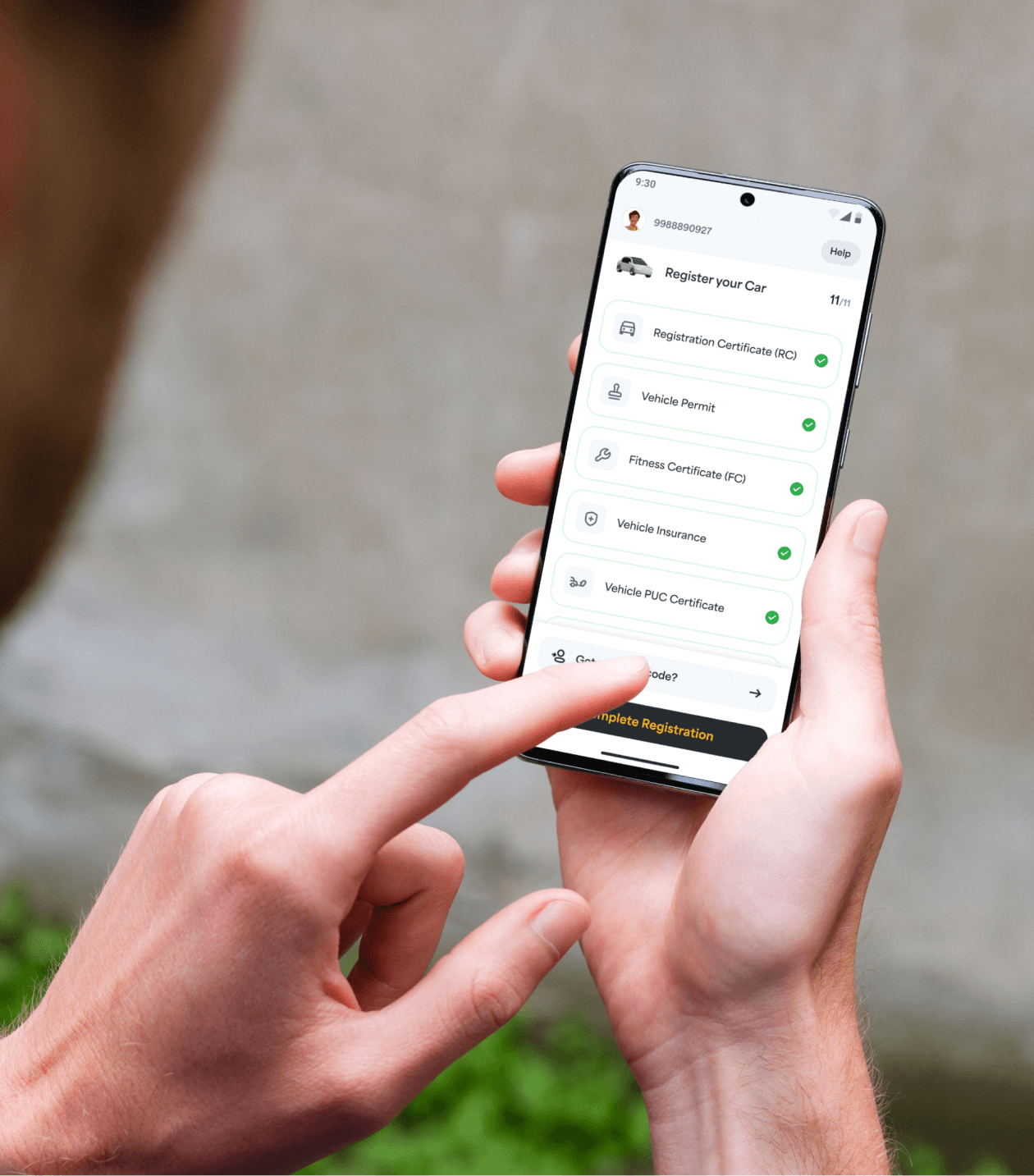
Many drivers needed ongoing guidance on new features, incentives, and app updates. Not all drivers were comfortable reading detailed instructions — voice prompts and videos proved far more effective.
Painpoints
1. Ride-Type Confusion -
Drivers found it difficult to distinguish between ride types (regular, intercity, pet, multi-stop), leading to hesitation and missed earning opportunities.
2. Flow & Zone Ambiguity
In special and hybrid zones, unclear rules around queue systems and open-market acceptance created confusion and perceptions of unfairness.
Competitor Research
We studied the primary competitors in the Indian mobility space — Uber, Ola, and Rapido to understand what they do well and where gaps exist in the driver experience.

While these platforms are efficient at dispatching rides and maintaining high trip volume, they place less emphasis on helping drivers clearly understand the system and educating them.
Learnings & Outcome
Currently, we have over 300k+ active drivers across India.
Design in real world conditions.
To build meaningful solutions, we had to step into drivers’ daily reality — navigating traffic, low network conditions, and constant decision making on the road. This meant simplifying interactions, reducing cognitive load, and ensuring key information could be understood at a glance while driving.
Build fast, iterate faster.
Startups can’t afford to wait for a perfect solution. Progress came from shipping early, testing with real drivers, and iterating quickly based on feedback. Building fast allowed us to validate ideas in real conditions and continuously improve the experience.